Blog
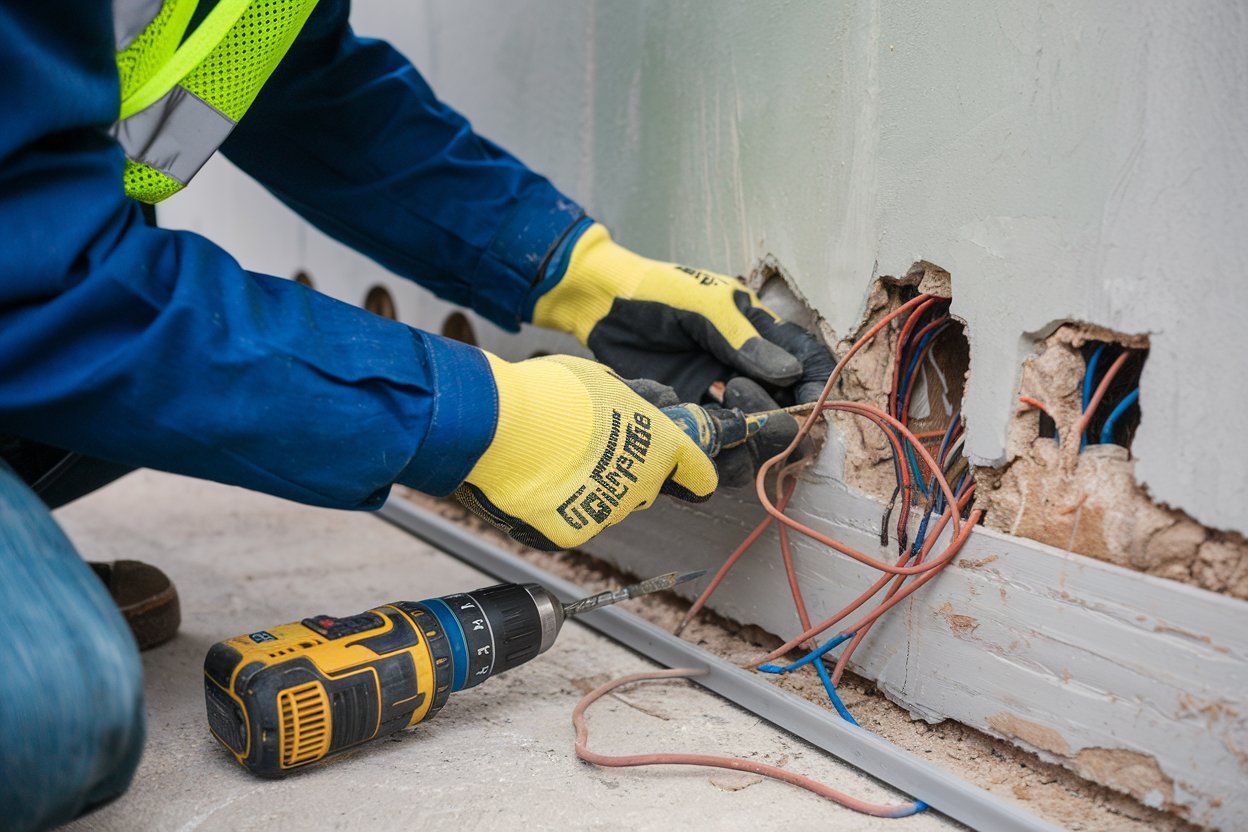
Electrical wiring is the backbone of any home, powering everything from lights and appliances to home offices and entertainment systems. Understanding residential wiring can help homeowners make informed decisions, improve safety, and even save money on energy costs. In this guide, we’ll cover the essentials of residential wiring, including types, safety tips, and modern trends. What Is Residential Wiring? Residential wiring refers to the electrical system installed in a home to deliver power safely and efficiently. It includes the wires, conduits, circuit breakers, outlets, and switches that connect electricity from the utility service panel to appliances, lighting, and other devices. Proper wiring ensures that your home operates reliably and reduces the risk of electrical hazards. Types of Residential Wiring 1.Non-Metallic Sheathed Cable (NM or Romex) Most common in modern homes. Flexible plastic-coated wires suitable for walls, ceilings, and floors. Easy to install but not ideal for outdoor use. 2.Conduit Wiring Uses metal or PVC pipes to protect electrical wires. More durable and safer in areas prone to moisture or damage. Common in garages, basements, and outdoor installations. 3.Knob-and-Tube Wiring An older method found in homes built before the 1950s. Uses ceramic knobs and tubes to route wires. Often considered unsafe today due to lack of grounding and insulation deterioration. 4. Underground Feeder (UF) Cable Designed for direct burial underground. Common for outdoor lighting, sprinkler systems, or detached buildings. Key Components of Residential Wiring Service Panel (Breaker Box): The hub where electricity enters your home and is distributed through circuits. Circuit Breakers : Protect your wiring and appliances from overloads and short circuits. Outlets and Switches: Provide access points for electricity throughout your home. Grounding Systems: Critical for safety, reducing the risk of shock and fire. Safety Tips for Homeowners Hire a Licensed Electrician: DIY electrical work can be dangerous and often violates local codes. Know Your Limits: Simple tasks like changing an outlet cover are safe; rewiring circuits requires professional expertise. Regular Inspections: Older homes may have outdated or degraded wiring that needs updating. Use GFCI Outlets: Ground Fault Circuit Interrupters protect against shock in wet areas like kitchens, bathrooms, and garages. Modern Trends in Residential Wiring Smart Home Integration: Wiring for smart thermostats, lighting, and security systems is becoming standard. Energy Efficiency: LED lighting and dedicated circuits for high-consumption appliances reduce energy bills. Home Automation Systems: Wiring for audio-visual systems, home offices, and EV chargers is on the rise. Conclusion Residential wiring is more than just wires behind the walls; it’s the lifeline of a modern home. Whether you’re planning a remodel, building a new home, or upgrading an older electrical system, understanding the basics of wiring is essential. Always prioritize safety and consult a licensed electrician for any major electrical work. Proper wiring ensures that your home is not only functional but safe, efficient, and ready for future technology.

The new season is a great reason to make and keep resolutions. Whether it’s eating right or cleaning out the garage, here are some tips for making and keeping resolutions.

There are so many good reasons to communicate with site visitors. Tell them about sales and new products or update them with tips and information.

Write about something you know. If you don’t know much about a specific topic that will interest your readers, invite an expert to write about it.